
The free thing my neighbor throws away that became my best fertilizer
My neighbor sets the same bags at the curb every week. I never asked what was in them. When my tomatoes started struggling, one quick conversation changed how I feed my garden.
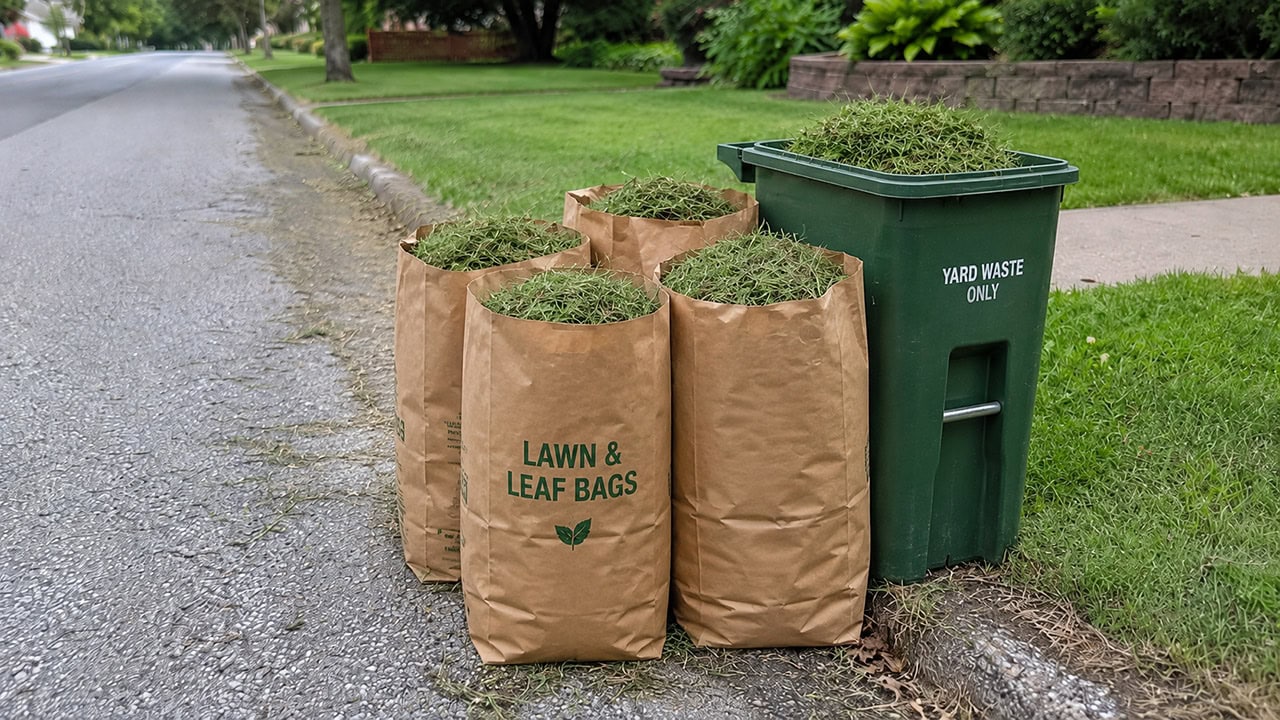
Every Saturday morning during summer, my neighbor Dave drags four or five big plastic bags to the curb. I walked past those bags for two whole years. Not once did I stop to wonder what was inside.
Then last June, my tomato plants started looking rough. Pale leaves. Weak new growth. Fruit so small you could hide it in your hand. I knew the soil was hungry for nitrogen. I was also tired of dropping money at the garden store every few weeks.
That was the morning I finally walked over and asked Dave what was in his bags.
Grass clippings.
Just the stuff that falls out of his lawn mower. He bags it up so the lawn looks clean, then sets the bags out for trash day. Every single week, free fertilizer was riding off in a garbage truck.
I took home two bags that afternoon. I have not bought a nitrogen fertilizer since.
Why it works so well
Fresh grass is about four percent nitrogen by weight. That sounds small next to a box of 10-10-10 from the store, which is ten percent. But store fertilizer comes in hard, dry pellets that take time to dissolve. Soft green clippings break down fast. Soil microbes turn them into plant food in two to three weeks. The nitrogen goes straight to where the roots can reach it.
Clippings also carry small amounts of potassium and phosphorus. Those are the other two main nutrients your plants want. One free bag, all three.
Three ways to put them to work
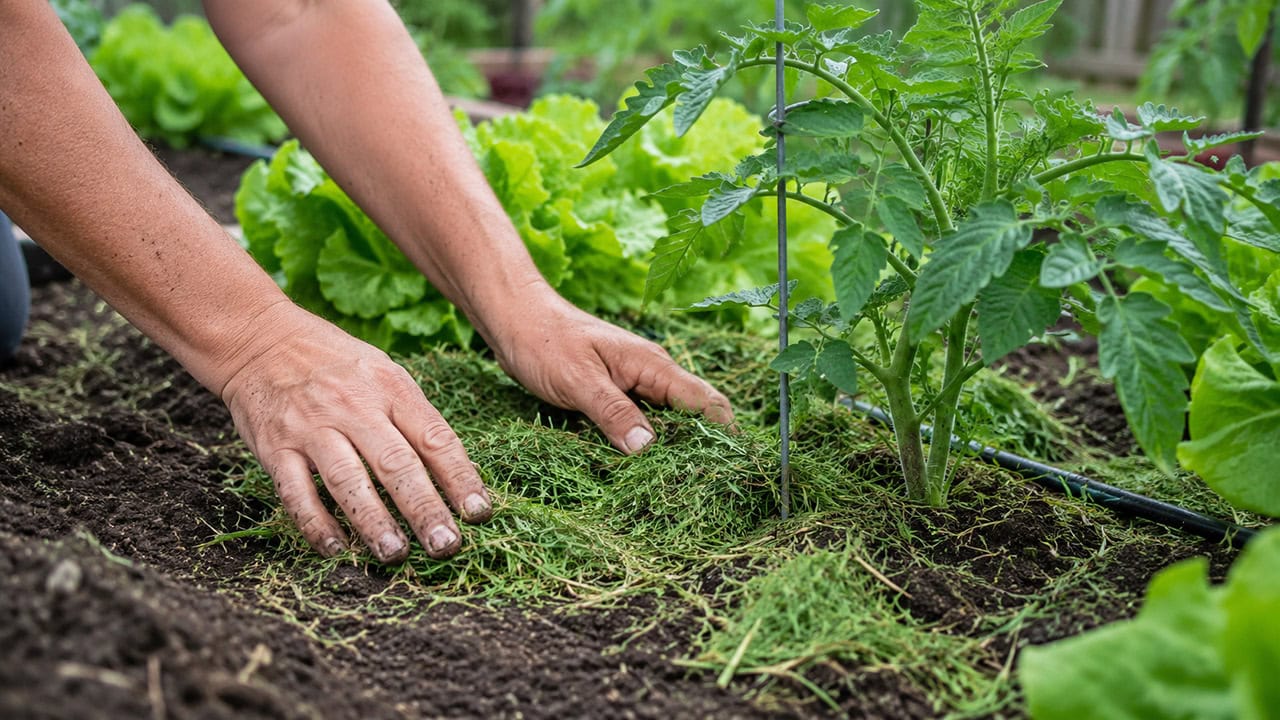
On top of the soil. Spread a one-inch layer of fresh clippings around the base of your plants. Stay two inches back from the stems. Do not go thicker than that one inch. A deeper pile mats together, and water can no longer soak through.
Inside the compost bin. A pile that has gone cold is almost always short on green material. A few scoops of cut grass will heat it back up by the next day. Stir them in well so they do not form a slimy lid on top.
Into a fresh bed. Before you plant, rake a thin layer of grass into the top three inches of soil. It breaks down before your seedlings even need the food.
The one question to ask first
Lots of people spray their yard for weeds. Those weed killers can stay on cut grass for weeks. Many of them are made to kill broadleaf plants. Tomatoes, peppers, beans, squash, and most flowers fall into that group. So clippings from a treated lawn can hurt your vegetable garden even when the grass itself looks fine.
The damage shows up as curled or twisted new leaves on plants that were healthy days before. By the time you see it, the season is mostly lost.
Before you carry off any bag, ask one simple question:
“Have you used weed killer on your lawn this year?”
If the answer is no, you are good to go. If the answer is yes, find out how many weeks ago the last spray was. Six weeks is the safe line. Less than that, walk on by.
What it did for my garden
I spread the first load under my tomatoes on a Sunday afternoon. Two weeks later, the plants had greened up so much my wife asked what I had done differently. New growth came in dark and thick. By August, I had more tomatoes than the two of us could keep up with.
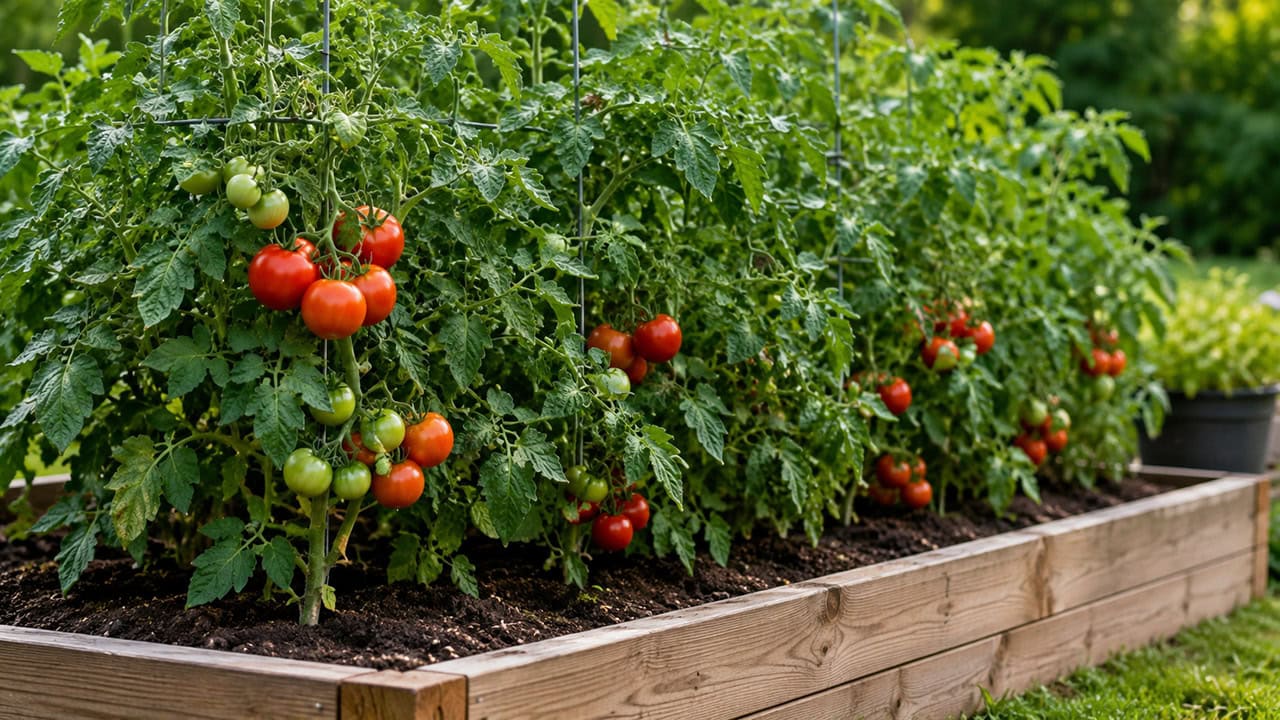
I still stop by Dave’s most Saturdays during mowing season. He is glad to lose a bag from his stack. The whole arrangement costs me nothing and works better than any product I have ever paid for.
If your neighbors bag their lawn, those bags are worth asking about. The worst thing they can say is no.